Battery assets, charging equipment and repair access are changing the risk conversation
The information on this website is general in nature and does not take into account your objectives, financial situation, or needs. Consider seeking personal advice from a licensed adviser before acting on any information.
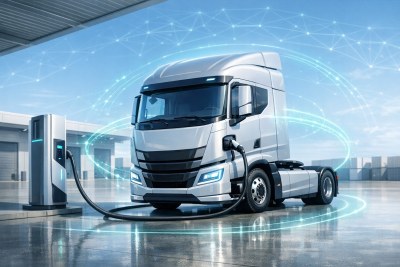
Recent fleet and transport industry coverage has again highlighted faster movement toward battery-electric and lower-emissions heavy vehicles in Australia, with truck makers, councils, logistics operators and specialist fleets moving beyond short demonstration runs.
For truck operators, the insurance question is not simply whether electric trucks are better or worse than diesel.
The practical issue is whether the policy reflects a different asset profile, different repair pathway and different downtime risk.
Traditional commercial truck insurance has largely been built around diesel vehicles, familiar components, established repair networks and well-understood loss patterns. Electric trucks introduce additional considerations, including high-value battery packs, specialist diagnostics, high-voltage safety processes, depot charging equipment and software-based vehicle systems. If an insured value is set too low, a major incident involving the battery or driveline could leave an operator exposed. If it is set too high, the business may be paying unnecessary premium. That makes calculating replacement values more important as electric models enter working fleets.
Claims handling is another area to watch. Even where the physical damage appears minor, an electric truck may need specialist assessment before it can be safely repaired or returned to service. Towing requirements, battery isolation, parts availability and approved repair capability can all affect how long a vehicle is off the road. For businesses working to tight freight windows, that delay can be as costly as the repair itself.
Operators reviewing cover for electric or hybrid heavy vehicles should pay close attention to:
whether the battery, driveline software and permanently fitted charging components are clearly included;
how depot chargers, portable charging equipment and related electrical infrastructure are insured;
whether downtime, hire vehicle or business interruption protection is suitable for the vehicle’s role;
how driver training, charging procedures and incident response plans are documented;
whether finance agreements require specific insurance conditions or noted interests.
Insurers are likely to look favourably on operators that can present the risk clearly. That means evidence of planned maintenance, charging controls, fire response procedures, route planning and driver education. It also means understanding how the vehicle will be used in real conditions, not just relying on headline range figures or manufacturer brochures.
For owner-drivers and fleet managers, the message is straightforward: the insurance conversation should happen before an electric truck is ordered, not after delivery. Standard policy wording may not automatically deal with every EV-related exposure, so professional advice can help identify gaps before a claim tests them. As technology changes, the operators who document their risks carefully are likely to be in a stronger position with both underwriters and claims teams.
Please Note: We do not endorse any specific products or companies. Some content is sourced from third parties, including press releases, and may not be independently verified for accuracy or completeness.
Fresh industry reporting on insurance dispute volumes has again put claim handling under the microscope, with delays, communication gaps and disagreements over policy response continuing to frustrate policyholders. For transport businesses, the issue is especially important because a commercial vehicle claim is rarely just about repairing metal. A grounded truck can interrupt contracts, leave freight undelivered and place immediate pressure on cash flow. - read more
Renewed insurance industry warnings about severe weather are a practical reminder for Australian tradespeople: storm risk is not limited to damaged homes and flooded streets. It can also affect tools in a ute, materials stored on site, unfinished work, temporary fencing, scaffolding, electrical gear, excavation areas and client property surrounding a job. - read more
Australia’s financial advice reform debate has moved back into the spotlight, with life insurers and advice groups continuing to argue that many people need simpler, more affordable help to understand the insurance they already hold. For income insurance customers, the issue is practical: cover can look straightforward on a statement, but the detail often sits in definitions, waiting periods, offsets, exclusions and claim conditions. - read more
Recent fleet and transport industry coverage has again highlighted faster movement toward battery-electric and lower-emissions heavy vehicles in Australia, with truck makers, councils, logistics operators and specialist fleets moving beyond short demonstration runs. For truck operators, the insurance question is not simply whether electric trucks are better or worse than diesel. The practical issue is whether the policy reflects a different asset profile, different repair pathway and different downtime risk. - read more
Fresh industry concern about repair delays after severe weather is highly relevant for Australian farms, where a damaged shed, washed-out access track or unavailable part can quickly interrupt day-to-day operations. While the wider insurance discussion often focuses on homes and commercial buildings, the same pressure points can be even more complex on rural properties because assets are spread out, specialist equipment is involved and local contractor availability may be limited. - read more
Plant and equipment insurance is a specialized type of coverage designed to protect construction and contracting businesses against financial losses related to their machinery and tools. This includes any equipment used in the delivery of services, such as excavators, cranes, and other vital equipment. In essence, this insurance safeguards your investment, providing peace of mind as you focus on your projects. - read more
When it comes to running a business, insurance is one of those things that often gets overlooked. However, understanding the different types of insurance is crucial for protecting your business assets and ensuring your peace of mind. Among the many options available, plant and equipment insurance is vital for businesses that rely on machinery and various tools. - read more
Mobile plant can face different insurance and regulatory issues when it is transported between worksites or operated on or near public roads. Businesses should understand how plant insurance, transit cover, registration, CTP and liability policies may interact. - read more
Plant and equipment insurance is a specialized type of coverage designed to protect your crucial assets. This insurance typically covers machinery, tools, and various equipment used in the operations of your business. It ensures that, in the event of damage or theft, you won’t face major financial setbacks. - read more
In the bustling world of business, safeguarding your assets is crucial. This is especially true for industries reliant on machinery and equipment. One essential type of coverage for such businesses is plant and equipment insurance. It provides financial protection against risks associated with the loss or damage of your essential tools. - read more
Knowledgebase
Disability Insurance: A type of insurance protection that pays a portion of a person's income lost due to a total or partial disablement arising from either an accident or a sickness.




No comments yet. Be the first to share your thoughts.