Severe Weather Prep Moves Up the Agenda for Fitness Operators
Why property, interruption and liability cover deserve a pre-summer review
The information on this website is general in nature and does not take into account your objectives, financial situation, or needs. Consider seeking personal advice from a licensed adviser before acting on any information.
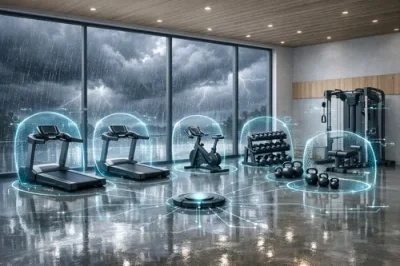
Recent insurance industry warnings about storm, flood and bushfire exposure are a timely reminder for Australian fitness businesses to check whether their cover still matches the way they operate.
For gyms, boutique studios, personal trainers and instructors using hired venues, severe weather is not only a property issue.
It can interrupt classes, damage equipment, affect access to premises and create safety obligations for clients and staff.
This is particularly relevant as many fitness operators have changed their business model over the past few years. Some now combine in-studio sessions with outdoor bootcamps, mobile personal training, online coaching and casual venue hire. Others have invested in reformer pilates equipment, recovery rooms, smart access systems, mirrors, flooring, sound systems and point-of-sale technology. If a policy was arranged when the business was smaller or simpler, limits and listed assets may no longer reflect today’s replacement costs.
The practical issue is that severe weather can expose several parts of an insurance programme at once. Property cover may respond to damage to insured contents or fit-out, while business interruption may help with lost income after an insured event. Public liability remains important if clients, visitors or neighbouring property are affected by an incident connected to the business. Professional indemnity may also need attention where trainers continue advising clients remotely during disruptions.
For fitness professionals, this story is an extension of the broader underinsurance concern already affecting small business policyholders. A storm-damaged studio is difficult enough; discovering that insured values do not cover current replacement costs can make recovery far harder. Rising labour, materials, freight and specialist equipment costs mean last year’s figures may be out of date.
A sensible pre-summer review should focus on:
whether all premises, storage locations and portable equipment are listed correctly;
whether outdoor sessions, pop-up classes and hired facilities are within the business description;
whether business interruption settings reflect realistic reopening timeframes;
whether landlord, council or event organiser insurance requirements have changed;
whether emergency procedures, incident records and client communications are documented.
It is also worth taking time to estimate appropriate sums insured rather than relying on book values or rough guesses. The key is to think in terms of what it would cost to replace, repair and restart now, not what the equipment originally cost.
Severe weather preparation is not just about sandbags and evacuation plans. For a fitness business, it is also about knowing which losses are covered, what evidence would be needed at claim time, and whether policy limits are strong enough to support a genuine recovery.
Please Note: We do not endorse any specific products or companies. Some content is sourced from third parties, including press releases, and may not be independently verified for accuracy or completeness.
Recent transport and fleet industry coverage continues to point to a steady increase in electric and low-emission heavy vehicles across Australian logistics operations. For many operators, the attraction is clear: quieter vehicles, lower tailpipe emissions, potential fuel savings and stronger alignment with customer sustainability targets. But the insurance conversation is now becoming more detailed than simply replacing a diesel truck with an electric one. - read more
APRA’s latest quarterly general insurance statistics point to a market that is still under cost pressure, even as insurers continue to report stronger overall results than during the worst of the recent claims cycle. For Australian tradespeople, the headline is not simply whether insurers are profitable. The practical issue is how rising premiums, repair costs, reinsurance expenses and claims activity flow through to the price and availability of cover used every day on the tools. - read more
Australia’s financial advice reform agenda has taken another important step, with industry attention turning to how simpler, more accessible guidance could help consumers make better decisions about insurance. For workers who rely on income insurance or salary continuance cover, the issue is more practical than political: many people hold cover they do not fully understand until illness or injury forces them to test it. - read more
Recent transport and insurance industry attention on lithium-ion battery safety is a timely warning for Australian truck operators. The issue is no longer limited to consumer products catching fire in homes or warehouses. Batteries now move through freight networks in tools, scooters, e-bikes, electronics, spare parts and energy storage equipment, and that creates a different risk profile for carriers, depots and subcontracted linehaul work. - read more
Australia’s latest seasonal bushfire outlook is a practical reminder that fire risk is not confined to the height of summer. For many farms, the exposure begins well before a catastrophic fire day is declared, as grass growth, drying winds, stored fodder, machinery movement and access limitations combine to create a more complex risk profile than a standard rural home policy can address. - read more
Plant and equipment insurance is a specialized type of coverage designed to protect your crucial assets. This insurance typically covers machinery, tools, and various equipment used in the operations of your business. It ensures that, in the event of damage or theft, you won’t face major financial setbacks. - read more
Plant and equipment insurance claims generally involve securing the site, gathering evidence, notifying the insurer, assessing the loss and agreeing on repair, replacement or settlement options. The exact process depends on the policy wording, the insured event and the insurer's claims criteria. - read more
Hiring plant or equipment can help Australian contractors stay flexible, but insurance responsibilities are not always straightforward. This guide explains how dry hire, wet hire, hired-in plant cover, damage waivers and hire agreement terms can affect who is responsible for loss, damage, theft, liability and downtime. - read more
Plant and equipment insurance is a specialized type of coverage designed to protect construction and contracting businesses against financial losses related to their machinery and tools. This includes any equipment used in the delivery of services, such as excavators, cranes, and other vital equipment. In essence, this insurance safeguards your investment, providing peace of mind as you focus on your projects. - read more
When it comes to running a small business, particularly in sectors like construction, having the right insurance is essential. This is where plant and equipment insurance comes into play. It protects your valuable machinery and tools, allowing you to focus on your projects without the constant worry of potential financial loss. - read more
Knowledgebase
Aggregate Limit: The maximum amount an insurer will pay for all covered losses during a policy period.




No comments yet. Be the first to share your thoughts.