Why Severe Weather Readiness Matters for Boat Owners
Insurers are sharpening attention on prevention, documentation and faster claims response
0
The information on this website is general in nature and does not take into account your objectives, financial situation, or needs. Consider seeking personal advice from a licensed adviser before acting on any information.
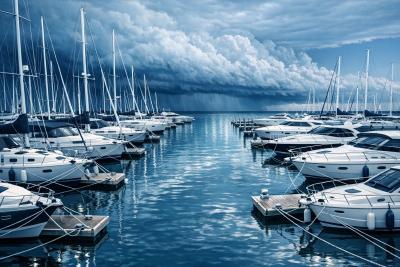
Australia’s latest severe weather preparedness messaging from the insurance sector is a timely reminder that boat owners face a different risk profile to many households.
Storms, flood surge, hail, cyclonic winds and marina damage can all affect vessels well before a skipper has a chance to move them.
For owners in Queensland, New South Wales, Western Australia and the Northern Territory in particular, the lead-up to summer is not just a maintenance checkpoint; it is a financial protection checkpoint.
The practical issue is that boat losses are often complicated. A damaged hull may be only one part of the claim. Motors, electronics, trailers, mooring equipment, tenders, fishing gear and safety equipment can all be affected in the same event. If the vessel is stored at a marina, in a yard, on a swing mooring or on a trailer at home, different policy conditions may apply. That makes reviewing boat insurance before peak weather season far more useful than trying to interpret exclusions after a storm has already passed.
For insurers, preventable loss is also becoming a bigger focus. Secure storage, sound mooring arrangements, serviced bilge pumps, working batteries, weather monitoring and documented maintenance can all influence how smoothly a claim progresses. Boat owners should photograph the vessel, trailer, motor serial details and major accessories, then store those records somewhere accessible if the boat or documents are damaged. It is also sensible to recheck insured values, especially after upgrades, new electronics, engine work or rising replacement costs.
Owners should pay close attention to a few policy areas before storm season intensifies:
whether cover applies while the boat is moored, stored ashore, trailered or in transit;
any named cyclone, storm surge, flood or geographical restrictions;
requirements for moorings, marina storage, security devices and maintenance;
limits for accessories, personal effects, fishing gear and safety equipment;
salvage, wreck removal and emergency towing provisions.
The message for Australian boaters is clear: preparedness is no longer just about avoiding damage; it is about being able to prove what was owned, how it was maintained and whether policy conditions were met. With weather volatility remaining a major concern for insurers, the best time to clarify cover is while the forecast is still calm. A short review now may prevent a costly dispute later.
Please Note: We do not endorse any specific products or companies. Some content is sourced from third parties, including press releases, and may not be independently verified for accuracy or completeness.
APRA’s latest life insurance performance data has put income protection back under the spotlight, with disability income products continuing to be one of the more closely watched areas of the sector. While the broader life insurance industry has been showing signs of improved stability, the update reinforces that policies designed to replace income after illness or injury remain sensitive to claims experience, pricing, and changing work and health trends. - read more
Australia’s latest severe weather preparedness messaging from the insurance sector is a timely reminder that boat owners face a different risk profile to many households. Storms, flood surge, hail, cyclonic winds and marina damage can all affect vessels well before a skipper has a chance to move them. For owners in Queensland, New South Wales, Western Australia and the Northern Territory in particular, the lead-up to summer is not just a maintenance checkpoint; it is a financial protection checkpoint. - read more
Recent industry reporting on the latest insurance complaints environment points to a clear message for Australian small businesses: the hardest part of insurance is often not buying a policy, but relying on it when something goes wrong. Disputes continue to arise around claim delays, declined claims, settlement amounts, policy exclusions and communication breakdowns between customers and insurers. - read more
Australia’s latest financial dispute data has put insurance claims handling back in the spotlight, with consumers and small businesses continuing to seek outside help when problems with insurers cannot be resolved directly. The trend is a timely reminder that an insurance policy should be assessed not only on premium, but also on how clearly it explains cover, how exclusions work, and how effectively claims are managed when pressure is highest. - read more
Australian beauty businesses offering higher-risk aesthetic treatments are facing another reminder that compliance is now a front-of-house issue, not just a back-room admin task. Recent beauty industry reporting has focused on the continued scrutiny of cosmetic injectables, skin procedures and treatment advertising, with regulators expecting clearer consent, accurate marketing and suitable clinical oversight where health-related services are provided. - read more
When it comes to running a small business, particularly in sectors like construction, having the right insurance is essential. This is where plant and equipment insurance comes into play. It protects your valuable machinery and tools, allowing you to focus on your projects without the constant worry of potential financial loss. - read more
Plant and equipment insurance is a specific type of policy designed to protect the tools, machinery, and equipment that businesses rely on for their operations. This insurance safeguards against various risks, ensuring that your essential assets are not a financial burden during unforeseen circumstances. - read more
Understanding plant and equipment insurance is crucial for any contractor in Australia. This type of insurance protects your valuable machinery and tools from unforeseen events that could disrupt your business. Without proper coverage, equipment damage or loss can lead to significant financial strain, potentially jeopardizing your operations. - read more
Plant and equipment insurance is a specialized type of coverage designed to protect your crucial assets. This insurance typically covers machinery, tools, and various equipment used in the operations of your business. It ensures that, in the event of damage or theft, you won’t face major financial setbacks. - read more
In the bustling world of business, safeguarding your assets is crucial. This is especially true for industries reliant on machinery and equipment. One essential type of coverage for such businesses is plant and equipment insurance. It provides financial protection against risks associated with the loss or damage of your essential tools. - read more
Knowledgebase
Double Indemnity: A clause or provision in a life insurance policy that doubles the payout in cases of accidental death.




No comments yet. Be the first to share your thoughts.