The information on this website is general in nature and does not take into account your objectives, financial situation, or needs. Consider seeking personal advice from a licensed adviser before acting on any information.
Machinery breakdown insurance can help commercial plant and equipment owners manage the cost of sudden mechanical or electrical failure, but it is not the same as cover for theft, accidental damage or wear and tear.
Machinery breakdown insurance is a type of cover designed for businesses that rely on working machinery to keep jobs, production or site operations moving. For contractors, agricultural operators, construction businesses and industrial businesses, a breakdown can mean repair costs, replacement parts, labour delays and interrupted work.
This article explains how machinery breakdown insurance for plant and equipment usually works, how it differs from broader commercial plant and equipment insurance, and what Australian businesses should check before relying on it. The information is general only and policy terms, availability and claims outcomes depend on the insurer, the policy wording and your circumstances.
What is machinery breakdown insurance?
Machinery breakdown insurance, sometimes called equipment breakdown cover or plant and equipment breakdown insurance, is intended to respond when insured machinery suffers a sudden and unexpected mechanical, electrical or pressure-related failure.
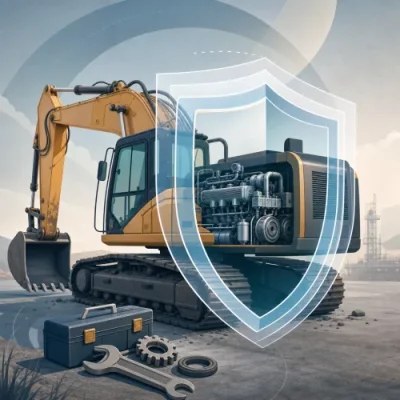
For commercial plant and equipment, this may be relevant to machinery such as excavators, loaders, cranes, pumps, compressors, generators, processing equipment, agricultural machinery or other business-critical plant. The exact types of machinery that can be insured vary between policies.
In simple terms, the cover is usually aimed at internal failure rather than external damage. For example, a covered breakdown might involve a motor, hydraulic system, electrical component, boiler, pressure vessel or mechanical part failing unexpectedly. By contrast, a plant and equipment policy may focus more on risks such as theft, fire, collision, rollover, accidental damage or damage during transit, depending on the wording.
How machinery breakdown insurance usually works
When a covered item breaks down, the insured business generally needs to notify the insurer, take reasonable steps to prevent further damage and follow the claims process set out in the policy. The insurer may require evidence such as service records, repair reports, photographs, technician assessments, invoices and details of the circumstances leading to the breakdown.
If the claim is accepted, the policy may contribute to eligible costs such as:
- repairing or replacing damaged mechanical or electrical components;
- labour costs associated with insured repairs;
- freight or removal costs where these are included in the wording;
- inspection or assessment costs in some circumstances;
- temporary hire costs or additional operating costs if specifically insured; and
- business interruption losses if breakdown-related interruption cover is included.
Not all machinery breakdown policies include the same benefits. Some are stand-alone policies, while others are optional extensions to broader plant and machinery insurance. Limits, excesses, waiting periods, exclusions and maintenance conditions can significantly affect how useful the cover is in practice.
How is machinery breakdown cover different from other plant and equipment cover?
Machinery breakdown insurance is often misunderstood because it sounds similar to accidental damage or general plant insurance. The difference usually comes down to what caused the loss.
| Type of cover | Main risk it may address | Example scenario |
|---|
| Machinery breakdown insurance | Sudden internal mechanical or electrical failure | A hydraulic pump fails unexpectedly and the excavator needs specialist repair. |
| Accidental damage cover | External accidental damage to insured equipment | A loader is damaged after hitting an unseen obstruction on site. |
| Theft cover | Loss of insured equipment due to theft | Tools or mobile plant are stolen from a secured worksite. |
| Fire and specified events cover | Damage from listed events, depending on the policy | A piece of machinery is damaged in a workshop fire. |
| Public or general liability insurance | Claims by third parties for injury or property damage | Equipment operation causes damage to another party's property. |
| Wear and tear | Gradual deterioration from normal use | A component reaches the end of its normal service life. This is commonly excluded. |
The same incident can sometimes involve more than one policy section. For example, an electrical failure could damage machinery and also stop production. The repair cost may fall under breakdown cover, while lost income may only be considered if the policy includes relevant business interruption or additional cost of working cover.
What machinery breakdown insurance may cover
Coverage depends on the specific policy, but machinery breakdown insurance may respond to sudden and unforeseen failures involving:
- motors, engines, alternators and generators;
- hydraulic and pneumatic systems;
- electrical control systems and switchboards;
- boilers, pressure vessels or compressors where eligible;
- gearboxes, shafts, pumps and other mechanical components;
- fixed industrial machinery or mobile plant listed on the policy; and
- certain diagnostic, dismantling and reassembly costs if included.
Some policies cover only specifically listed items, while others may provide blanket cover for defined categories of machinery up to a limit. Businesses with both fixed plant and mobile plant should check whether the wording treats these assets differently.
What is commonly excluded?
Machinery breakdown insurance is not a maintenance plan. It is generally designed for sudden failure, not predictable deterioration. Common exclusions or limitations may include:
- wear and tear, corrosion, erosion, rust or gradual deterioration;
- known defects or pre-existing faults;
- poor maintenance, neglect or failure to follow manufacturer recommendations;
- consumable parts such as belts, blades, tyres, filters, seals or lubricants, unless specifically covered as part of an insured event;
- faulty workmanship or defective design in some circumstances;
- software, programming or electronic data losses unless expressly covered;
- overloading, misuse or operation outside rated capacity;
- breakdowns occurring before the policy started;
- equipment that is too old, uninspected or not in serviceable condition; and
- consequential losses unless a relevant extension applies.
Exclusions vary widely. A business should not assume that a breakdown will be covered simply because the machine stopped working. The insurer will usually consider the cause of failure, the condition of the machine, maintenance history and policy wording.
Why maintenance records matter
Maintenance records can be important in both underwriting and claims. An insurer may ask how machinery is serviced, who services it, how often inspections occur and whether the equipment is operated in harsh conditions.
Good records may include:
- service logs and inspection reports;
- repair invoices and parts records;
- pre-start checklists;
- manufacturer service schedules;
- operator training records;
- condition reports for older machinery; and
- records of any major rebuilds or modifications.
If a claim occurs, these records may help show that the failure was sudden and unexpected rather than the result of neglect or gradual deterioration. They may also help insurers assess the condition and value of the equipment.
Does breakdown cover include downtime?
A key issue for many businesses is not only the cost of repair, but the cost of downtime. If an excavator, harvester, compressor or production line is unavailable, a business may face project delays, replacement hire costs, staff downtime or lost revenue.
Machinery breakdown insurance does not automatically cover all downtime losses. Some policies focus on physical repair costs only. Others may offer extensions for:
- loss of income following an insured breakdown;
- increased cost of working, such as hiring temporary replacement equipment;
- expediting expenses for urgent parts or repairs; or
- spoilage or production losses in specific industrial settings.
These extensions usually have conditions, limits and waiting periods. Businesses that rely on one or two critical machines should pay close attention to whether the policy responds to interruption, not just repair.
Owned, hired and leased machinery
Machinery breakdown cover may apply differently depending on whether the equipment is owned, leased, financed or hired-in. This distinction matters because responsibility for repair, insurance and loss of use may sit with different parties under contract.
For owned plant, the business usually needs to decide which machines to insure and at what value. For hired-in plant, the hire agreement may require the hirer to insure against certain risks or remain responsible for breakdown-related costs in particular circumstances. For leased or financed equipment, the finance or lease agreement may include insurance requirements.
Before relying on a policy, check:
- whether hired or leased plant is included;
- whether the policy covers only items listed on the schedule;
- who is responsible for repair costs under the hire or lease agreement;
- whether loss of hire charges are covered;
- whether the equipment must be inspected before cover applies; and
- whether the owner, financier or hire company needs to be noted on the policy.
How insurers may assess breakdown risk
Insurers commonly look at the likelihood and potential cost of breakdown when deciding whether to offer cover and how to price it. Factors may include the type of machinery, age, condition, value, usage, operating environment, claims history and maintenance practices.
Older equipment, machinery working in dusty or high-load environments, and specialised imported equipment with limited parts availability may be assessed differently from newer, regularly serviced equipment with readily available parts. The amount of cover selected, excess, optional extensions and whether interruption cover is included can also affect premiums.
For broader detail on pricing considerations, see our guide to factors that affect plant and equipment insurance premiums.
Choosing an insured value and limits
Choosing the right limits is important because a breakdown can involve more than the visible failed part. Costs may include diagnostics, dismantling, specialist labour, freight, reinstallation and testing. For remote worksites or specialised equipment, these expenses can be significant.
When reviewing limits, consider:
- replacement cost versus market value;
- availability and cost of parts;
- whether specialist technicians are needed;
- transport costs to a repair facility;
- the cost of hiring substitute equipment;
- seasonal or project-critical periods when downtime is more costly; and
- any policy sub-limits for particular costs.
Businesses can use available calculators as a starting point for thinking about asset values, operating costs and the financial impact of downtime. Any insurance decision should still be checked against actual policy wording and business circumstances.
Questions to ask before buying machinery breakdown insurance
Before adding machinery breakdown cover to a plant and equipment insurance program, it is worth asking detailed questions. Useful questions include:
- Which machines are covered, and are they listed individually?
- Does the policy cover mobile plant, fixed plant or both?
- What types of mechanical or electrical failure are included?
- What maintenance conditions apply?
- Are consumables, fluids, belts, tyres or attachments excluded?
- Is operator error covered or excluded?
- Is damage from overheating, overloading or lubrication failure covered?
- Are hired-in, leased or financed machines included?
- Does the policy cover temporary hire costs or business interruption?
- What excess, waiting period or sub-limits apply?
- What evidence is needed at claim time?
- Are older machines subject to inspection or special conditions?
Because policy wording and exclusions can vary, it may be useful to speak with an insurance broker about how breakdown cover fits with your broader insurance program.
Making a machinery breakdown claim
If a breakdown occurs, businesses should act carefully to protect both the machinery and the claim position. The exact process depends on the insurer, but common steps include:
- Stop using the equipment if continuing operation may worsen the damage.
- Make the site safe and follow workplace health and safety procedures.
- Notify the insurer or broker promptly and ask what evidence is required.
- Do not authorise major repairs without approval unless urgent action is needed to prevent further loss and the policy allows it.
- Keep damaged parts if the insurer may need to inspect them.
- Collect records such as service logs, repairer reports, photos and invoices.
- Document downtime and additional costs if interruption or hire cost cover may apply.
Prompt notification and clear documentation can make the assessment process easier. However, claim acceptance always depends on the policy wording, the cause of the breakdown and the evidence provided.
When machinery breakdown insurance may be worth considering
Machinery breakdown insurance may be particularly relevant where a business depends on expensive, specialised or difficult-to-replace equipment. It may also be worth considering where downtime could interrupt contracts, harvesting windows, manufacturing schedules or site work.
It may be less useful if the equipment is low value, easily replaced, near the end of its service life or already subject to strong manufacturer warranty support. Even then, warranties and insurance are not the same. A warranty may deal with defects covered by the manufacturer, while insurance may address insured breakdown events under a policy.
The practical question is not simply whether breakdown cover is available, but whether the limits, exclusions, excesses and conditions match the risk your business is trying to manage.
Key takeaways
Machinery breakdown insurance is designed to help with sudden and unexpected mechanical or electrical failure of insured plant and equipment. It is different from theft, accidental damage, liability and ordinary wear and tear cover.
For Australian businesses, the most important points are to understand what caused the loss, check whether downtime is covered, keep maintenance records and read the exclusions carefully. The right approach depends on your machinery, contracts, operating environment and tolerance for repair and interruption costs.
Published: Wednesday, 19th Aug 2026
Author: Paige Estritori




No comments yet. Be the first to share your thoughts.