The information on this website is general in nature and does not take into account your objectives, financial situation, or needs. Consider seeking personal advice from a licensed adviser before acting on any information.
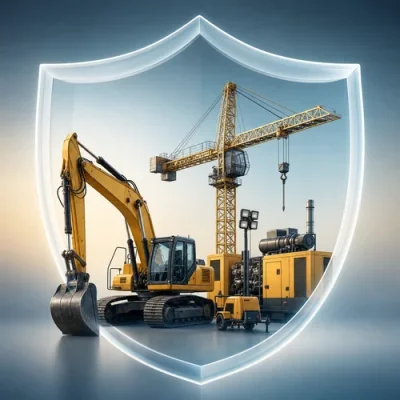
Plant and equipment insurance is a specialized form of coverage designed to protect the tools and machinery that businesses rely on for their operations. This type of insurance typically covers various assets, including construction machinery, agricultural equipment, and industrial tools. By safeguarding these critical assets, you can ensure that your business continues to run smoothly even in the event of loss or damage.
What is plant and equipment insurance?
Importance of having insurance for your business assets
Having plant and equipment insurance is essential for any business that uses machinery and tools in its day-to-day operations. Without this coverage, an unexpected equipment failure, theft, or accidental damage can lead to significant financial losses.
Insurance helps mitigate these risks by providing financial protection, allowing businesses to replace or repair damaged equipment without draining their resources. Additionally, having proper coverage can enhance your credibility with clients and partners, demonstrating that you take your responsibilities seriously.
What Does Plant and Equipment Insurance Cover?
Types of machinery covered
Plant and equipment insurance covers a broad range of machinery and tools essential for your business operations. This typically includes
- Heavy machinery such as excavators and cranes which are crucial for construction and large-scale projects.
- Construction equipment like bulldozers, scaffolding, and concrete mixers.
- Commercial vehicles that are used for transporting goods or equipment.
By providing coverage for these types of machinery, you protect your investment and ensure that your operations continue smoothly, even in the face of unexpected events.
Coverage against specific risks
One of the significant benefits of plant and equipment insurance is the protection it offers against various risks. Some common risks covered include
- Theft and vandalism, which can occur at job sites or storage facilities.
- Accidental damage that might happen during operation or transportation.
- Natural disasters like floods and storms that can wreak havoc on your equipment.
Having coverage against these specific risks allows you to manage the financial repercussions of incidents that could otherwise cripple your business.
Add-on cover options
Aside from the standard coverage, plant and equipment insurance often provides a variety of add-on options to enhance your protection. Some of these can include
- Business interruption insurance, which helps cover lost income during equipment repairs or replacement.
- Liability coverage that safeguards you against claims from third parties.
- Loss of rental income for equipment that you rent out to other businesses.
These add-on options can be tailored to fit your specific needs, ensuring comprehensive protection for your unique business circumstances.
Why is Plant and Equipment Insurance Essential for Australian Businesses?
Protection of financial investment
For many Australian businesses, machinery and equipment represent a significant portion of their investment. Whether you own heavy machinery or specialized tools, the potential financial loss from damage or theft can be substantial.
Plant and equipment insurance provides a safety net, ensuring that if something goes wrong, you won’t face a financial disaster. By having this coverage in place, you safeguard your assets and enable your business to recover swiftly, minimizing downtime and loss of revenue.
Regulatory compliance and legal requirements
In Australia, certain industries may be subject to specific regulations regarding equipment safety and insurance. Having plant and equipment insurance can assist businesses in meeting these legal requirements.
Compliance with industry regulations not only helps to avoid fines and penalties but also demonstrates a commitment to maintaining safety standards. This can enhance your reputation within your industry, making it easier to win contracts or partnerships.
Peace of mind for Business Owners
Running a business comes with a lot of pressures, and worrying about equipment failure or damage can add to that stress. Plant and equipment insurance offers peace of mind, allowing business owners to focus on their core operations without the constant fear of unexpected financial setbacks.
Knowing your assets are protected means you can make strategic decisions for growth without being held back by fear of loss. Ultimately, this peace of mind can foster a more productive working environment, benefiting both you and your employees.
How to Choose the Right Plant and Equipment Insurance
Assessing your business needs
When it comes to selecting the right plant and equipment insurance, the first step is to assess your business needs thoroughly. This means gaining a clear understanding of the value of your assets.
Take stock of all the machinery and tools your business uses, as well as their associated values. Recognizing the worth of each piece can help you determine the level of coverage required.
Additionally, evaluating risks specific to your industry is crucial. For example, construction companies may face different risks compared to farming operations. By identifying these unique risks, you can ensure that you obtain coverage tailored to your circumstances.
Comparing insurance providers
Once you’ve assessed your business needs, it's time to compare different insurance providers. Start by looking at the coverage limits and exclusions of each policy.
Some providers may offer more comprehensive coverage than others, while exclusions can significantly impact the protection you receive. Understanding these nuances helps in making an informed choice.
Customer service and claims process are also critical factors to consider. A provider that offers responsive service and a straightforward claims process can save you time and stress during challenging situations. Lastly, check reviews and the reputation of the insurer. Look for feedback from other customers to gauge reliability and support levels during claims.
Customizable options for coverage
Finding the right policy may also involve exploring customizable options for your coverage. Start by selecting appropriate deductibles. A higher deductible may lower your premiums, but ensure that it’s manageable for your budget in case of a claim.
Consider adding extras relevant to your business, such as business interruption insurance or liability coverage. Tailoring your policy to suit your specific needs can provide you with enhanced protection against potential risks.
Overall, choosing the right plant and equipment insurance means understanding your needs, comparing options, and customizing coverage to align with your unique business operations.
Common Misconceptions About Plant and Equipment Insurance
Believing that all equipment is automatically covered
One common misconception is that all equipment owned by a business is automatically covered under a standard policy. Many business owners may assume that their entire inventory of machinery and tools falls under the same policy umbrella.
However, this isn’t always the case. Coverage can vary significantly between policies, and some equipment may need to be specifically listed to ensure full protection. It’s crucial to review your policy details and communicate with your insurer to verify which items are covered and if additional endorsements are required for certain assets.
Misunderstanding policy exclusions
Another misconception is the belief that insurance will cover any type of damage or loss. In reality, many policies have specific exclusions. For instance, damage caused by wear and tear, maintenance issues, or equipment that has been used beyond its recommended limits may not be covered.
Understanding these exclusions is vital to avoid unexpected costs when seeking to make a claim. Always ask your insurer to clarify what’s excluded in your policy, and consider additional coverage options if necessary.
Underestimating the importance of insurance
Lastly, some business owners might underestimate the importance of having plant and equipment insurance altogether. They may believe that their equipment is safe or that accidents won’t happen to them.
This outlook can be risky; it only takes one unforeseen event, like theft or an accident, to cause substantial financial damage. Recognizing the importance of insurance comes down to understanding the potential risks involved in your industry. By being proactive in securing adequate coverage, you can safeguard your business against unpredictable circumstances.
Conclusion
Recap of essential points covered in the article
Throughout this article, we’ve explored the significance of plant and equipment insurance for Australian businesses. This type of insurance provides vital coverage for essential machinery and tools that your operations depend on.
We discussed various aspects, such as the types of machinery typically covered, the specific risks that insurance protects against, and the valuable add-on options available to enhance your coverage. Additionally, we emphasized the importance of protecting your financial investment and ensuring compliance with industry regulations.
Encouragement to assess insurance needs
As you consider the information shared, it’s crucial to take the time to assess your unique business needs. Understanding the value of your equipment and the specific risks you face enables you to choose the right level of coverage.
Don’t hesitate to compare insurers and policies to find the best fit for your operations. Tailoring your approach will help keep your assets safe and support your business's growth.
Call to action: Consult with an insurance advisor
Lastly, we encourage you to consult with an insurance advisor who can provide expert guidance tailored to your situation. An advisor can help you navigate the nuances of plant and equipment insurance, ensuring you secure the protection your business deserves.
Taking proactive steps now will safeguard your investments and provide peace of mind, allowing you to focus on what you do best-growing your business.
Ready to take the next step? Get your Plant and Equipment Insurance Quote or speak to a Specialist Insurance Broker today.
Published: Tuesday, 24th Dec 2024
Author: Paige Estritori



No comments yet. Be the first to share your thoughts.